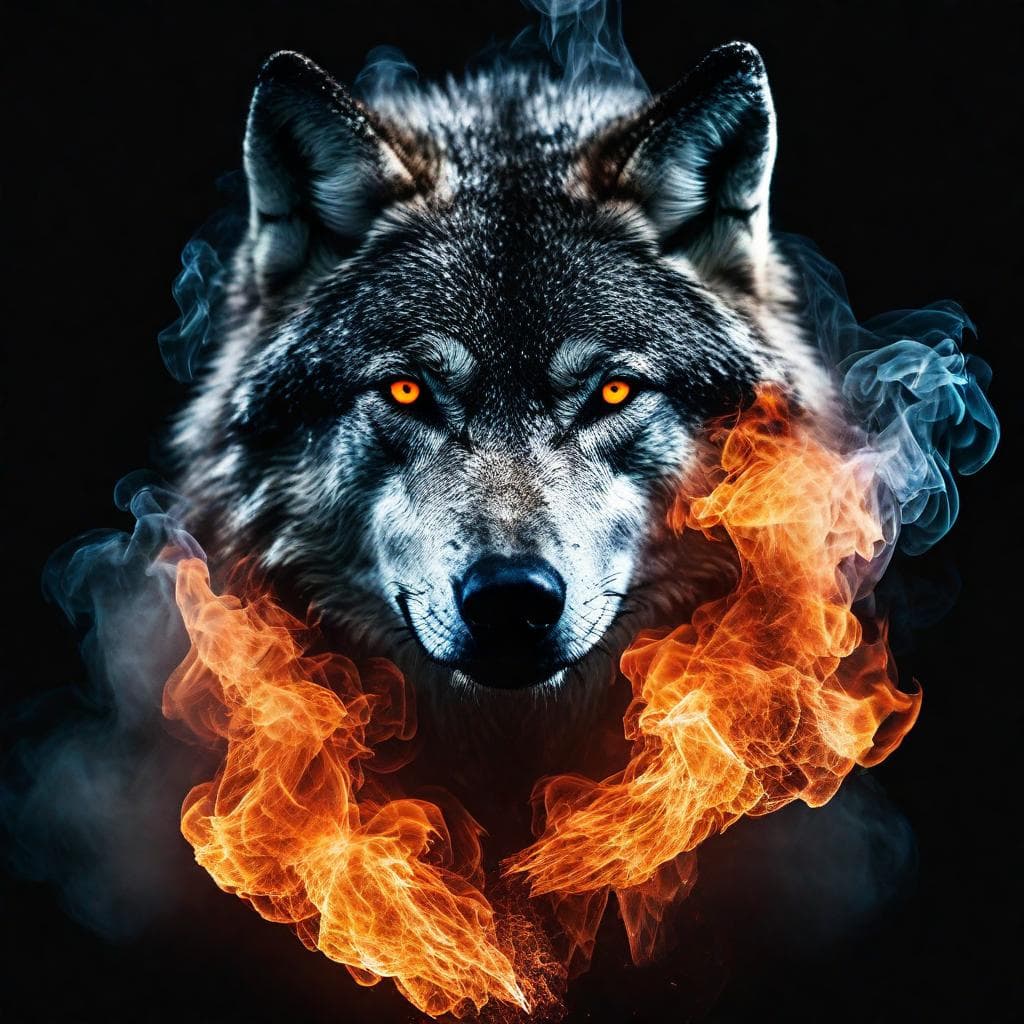
SSD-1B: Compact Text-to-Image Model
What is SSD-1B?
SSD-1B is a high-performance text-to-image model developed by Segmind that delivers impressive visual results while being significantly more efficient than its predecessors. This compact AI model is 50% smaller and 60% faster than Stable Diffusion XL, making it ideal for developers who need quick turnaround times without sacrificing image quality. Through advanced knowledge distillation techniques, SSD-1B inherits capabilities from expert models like SDXL and JuggernautXL, ensuring diverse outputs across artistic styles and photorealistic renderings. The model generates images at a fixed 1024×1024 resolution, optimized for clarity and detail.
Key Features
- •Optimized Performance: 50% smaller model size and 60% faster generation compared to SDXL
- •Knowledge Distillation: Trained using insights from SDXL, JuggernautXL, and other expert models
- •Diverse Training Data: Built on comprehensive datasets including Grit and Midjourney
- •Fixed High Resolution: Produces 1024×1024 pixel images for consistent, high-quality outputs
- •Versatile Style Range: Handles photorealistic, artistic, and stylized image generation effectively
- •Advanced Parameter Control: Fine-tune outputs with schedulers, guidance scale, and inference steps
Best Use Cases
Creative Industries: Graphic designers and illustrators can rapidly prototype concepts, create mood boards, or generate variations of visual ideas without long render times.
Marketing and Advertising: Generate campaign visuals, social media content, or product mockups quickly while maintaining professional quality standards.
Game Development: Create concept art, environment designs, or character references during early development phases.
Research and Education: Academics studying generative AI can experiment with a performant model that balances quality and computational efficiency.
Content Creation: Bloggers, YouTubers, and digital creators can produce custom imagery for thumbnails, headers, and promotional materials.
Prompt Tips and Output Quality
Crafting Effective Prompts: Include vivid descriptive details, specify artistic style or mood, and add technical terms like "ultrarealistic," "high contrast," or "cinematic lighting" to guide the output. For example: "a futuristic cityscape at dusk, neon lights, reflections in water, ultrarealistic, high contrast, vibrant."
Using Negative Prompts: Filter unwanted elements by specifying terms like "blurry, out of focus, distorted" to enforce clarity and aesthetic consistency.
Parameter Optimization:
- •Inference Steps (20-100): Start with 45 steps for balanced quality. Increase to 70-100 for intricate textures and fine details; reduce to 20-30 for faster iteration.
- •Guidance Scale (1-25): Use 7-10 for prompt-faithful results. Lower values (3-5) allow creative interpretation; higher values (12-18) enforce strict adherence.
- •Scheduler Selection: "DPM Multi" provides balanced outputs for most use cases. Try "Euler" for sharper edges or "Heun" for smoother gradients.
- •Seed Control: Set a specific seed value for reproducible results across iterations, essential for A/B testing prompts.